





Healthy Tanning Guide


Healthy tanning guide right here! We all love sunbathing. There are many reasons for this. Most importantly, sunbathing raises serotonin levels, giving us happiness and peace of mind. It also triggers the production of vitamin D in our body, which is essential for bone, teeth, and skin health. But if there’s one thing we really love about this, it’s seeing ourselves tanned. So, what are the healthy ways to tan?
Choose the Right Sunscreen for Healthy Tanning

95% of solar radiation is UVA rays. The rest is UVB rays. Invest in a product that protects against both types of radiation. Remember that sunscreens containing UVB protection prevent skin redness, and you need to reapply this cream to your skin at least every two hours. Most importantly, stay away from products past their expiration date.
Control Your Tanning Time

Healthy tanning methods also involve another important factor: tanning duration. Our skin has a limit when it comes to melanin production. That’s why there’s no point spending the whole day at the beach. Under normal circumstances, the maximum sun exposure time for olive and dark skin tones is three hours. Fair-skinned people should sunbathe for even shorter periods. This way, you’ll protect your skin health in the best possible way.
Take Breaks from Sunbathing for Healthy Tanning

Taking occasional breaks of a few hours from sunbathing at the beach or pool will give you a healthier, longer-lasting tan, since it reduces the intensity of UV exposure and the risk of sunburn. You can step under an umbrella to read a book or go to a restaurant to eat. It’s important to take breaks from the sun on regular days too, not just on vacation. This way, your skin will be optimally protected from the sun’s harmful effects.
Eat Healthy

If you want to achieve a healthy tan, it’s extremely important to pay attention to what you eat as well. Skin also has its own SPF. That’s lycopene. Turning to red and orange foods like tomatoes or red peppers will raise your body’s antioxidant levels. Regularly including these foods in your diet can increase your tolerance to the sun. Consuming foods containing polyphenols, such as green tea and legumes, is also important at this stage.
Reapply Sunscreen Every Two Hours

For healthy tanning, it’s extremely important to reapply sunscreen every two hours. Even if your sunscreen is water-resistant, you still shouldn’t neglect reapplying it to your body.
Don’t Forget Your Moles
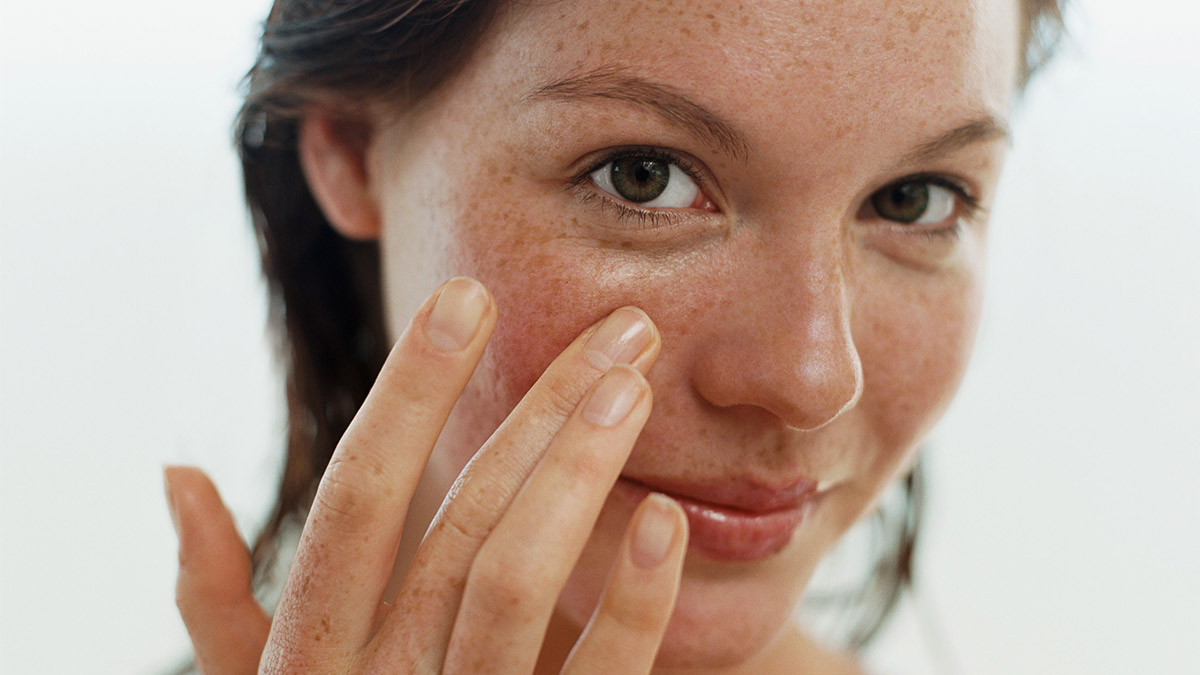
You shouldn’t neglect your moles while tanning healthily. You should provide maximum protection to the most visible moles and spots on your skin. You should take various precautions to prevent sunburn, especially in areas where moles are present.
What Are the Benefits of Tanning?

The benefits of tanning are quite numerous, as long as it’s done in moderation. Sunbathing can be an activity that supports health improvement as well as being enjoyable. Considering that we generally find tanned skin aesthetically pleasing, we also benefit from the sun’s effects on our health.
Healthy tanning provides one of its most important benefits in the form of vitamin D. UV rays help the skin produce vitamin D. Strengthening bones is also one of vitamin D’s most important properties.
Vitamin D helps with the absorption of calcium and phosphorus in the small intestine. This important vitamin can be obtained from food as well as from the sun. Sunbathing for 5-10 minutes at least two or three times a week is of great importance for vitamin D production.
Sunlight also has significant effects on the immune system. Vitamin D deficiency is associated with autoimmune diseases and an increased risk of infection. At this point, vitamin D protects us and helps prevent us from catching various illnesses. For example, moderate sun exposure and healthy tanning make our bodies stronger.
Sunbathing also has many benefits for skin health. In particular, it provides protection against psoriasis. Even brief daily sun exposure helps prevent us from developing psoriasis. The benefits of tanning are countless, and vitamin D deficiency is linked to many types of cancer. Controlled sun exposure can protect you against many types of cancer.
It’s very important to be moderate when exposing yourself to sunlight. The sun also has the capacity to increase the white blood cells in our blood. This is an effective way of fighting infections well. When we get enough sun exposure, we can get through the winter season in good health.